Skip to content

Health

Sturdy dogs, simple care

Pitbull-type dogs are generally robust and long-lived. Most of what keeps them well is unglamorous and easy: a lean body, good food, yearly check-ups and a close eye on itchy skin.

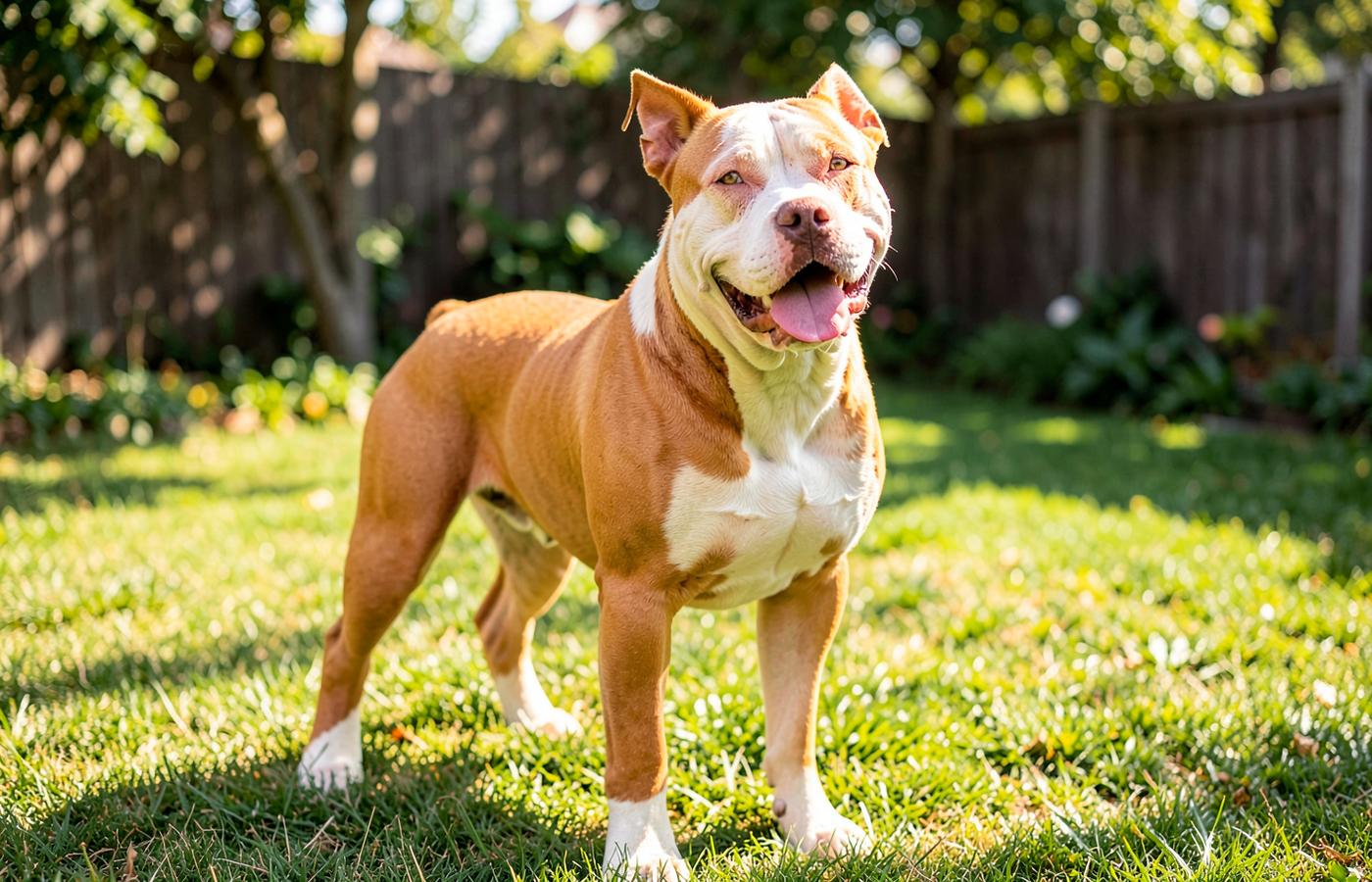
A healthy tan and white pitbull standing in a sunny back garden

Everyday care

Four habits that do most of the work

Feed for a visible waist

Choose a complete food suited to your dog's age and size, measure portions, and count treats as part of the day's total.

You should feel ribs easily and see a tuck behind them. Staying lean is the single kindest thing you can do for joints and lifespan.

Yearly vet visits

An annual check covers vaccinations, parasite prevention, weight, teeth, heart and joints. From about age eight, twice a year is better.

Ask for a baseline blood panel in middle age — it makes future results far easier to interpret.

Move every day

Steady daily exercise protects heart, joints and mood far more than one big weekend adventure.

Swimming, sniffing walks and gentle hill work are all joint-friendly ways to keep a strong dog strong.

Watch the small signs

Persistent scratching, head shaking, limping, drinking more, or slowing down on walks all deserve a phone call rather than a wait-and-see.

Pitbulls are stoic. They often carry discomfort quietly, so changes in routine matter more than yelps.

Common considerations

What to keep half an eye on

None of these are certainties — most pitbulls sail through life without them. Knowing the list simply means you'll spot things early.

Skin & allergies

The most common complaint by far. Itchy paws, pink bellies and ear infections often trace back to food or environmental allergies. A vet can help you find the trigger — it's manageable, not mysterious.

Hips & joints

Hip and elbow dysplasia appear in many medium-to-large breeds. Keeping your dog lean, avoiding repetitive jumping while young, and choosing breeders who screen hips all help.

Heart health

Some lines are prone to congenital heart conditions. A yearly listen with a stethoscope catches most murmurs early, when there's plenty that can be done.

Thyroid & weight

Sudden weight gain, coat changes or new grumpiness can point to low thyroid function — a simple blood test and daily tablet usually sorts it out.

Heat sensitivity

Short coats and shorter muzzles mean pitbulls overheat quickly. Walk in the cool hours, offer shade and water, and never leave a dog in a warm car or conservatory.

Teeth & gums

Strong chewers still get plaque. Brushing a few times a week plus vet-approved chews protects both the mouth and the heart over the long run.

Life expectancy

12–16

years, with good weight, dental care and regular check-ups

The long view

Most pitbulls grow old gracefully

A well-cared-for pitbull-type dog often stays playful into double digits. Grey muzzles arrive, walks get shorter and naps get longer, but the lean-on-your-legs affection never really fades.

Add a soft orthopaedic bed, rugs on slippery floors and ramps instead of jumps as they age. And keep the enrichment coming — older dogs still love a good sniffing puzzle.

Everything here is general education. For anything about your own dog, your vet always knows best.

Health notes, kept simple

Each month we cover one small piece of everyday dog care in plain language — no scare stories.

One warm letter a month. Breed facts, care tips and happy tails. No spam, ever.